Bringlest: A Modern Handwritten Font for Elegant Editorial Design
Choosing the Right Font for a Lifestyle Blog Redesign
While working on a recent lifestyle blog refresh, I found myself sifting through a collection of script fonts, searching for the perfect balance between personality and professionalism. The goal was to elevate the blog’s visual identity without compromising readability or audience connection. That’s when I came across Bringlest — a contemporary handwritten font that felt both fresh and timeless. It wasn’t just another decorative typeface; it carried a subtle elegance that seemed ideal for editorial headers and content accents.
Visual Character and Editorial Appeal of Bringlest
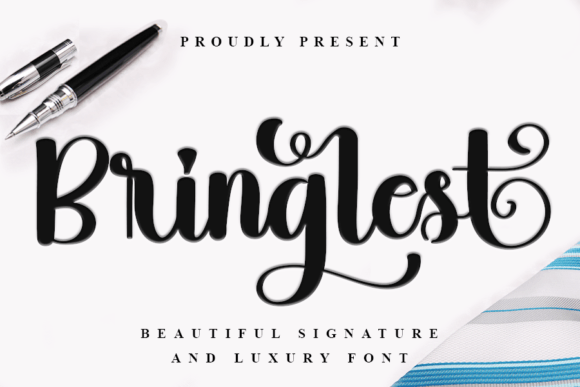
Bringlest is a script font in the Script Amp category, designed with a modern twist on classic calligraphy. Its strokes flow with a natural rhythm, mimicking the fluidity of handwriting while maintaining a refined structure. Unlike many overly ornate script fonts, Bringlest avoids excessive flourishes, making it more versatile for digital and print applications. It carries a soft, approachable personality — ideal for content that aims to feel personal yet polished.
In testing, I used Bringlest for blog headers, feature article titles, and newsletter graphics. Each time, it brought a touch of warmth to the layout without overwhelming the surrounding design elements. Its contemporary form works especially well in lifestyle, wellness, and creative niches where tone and visual identity are just as important as content clarity.
Practical Uses for Bringlest in Editorial Design
Bringlest shines best in display settings. I found it particularly effective for:
- Blog headers and site titles
- Magazine cover text and editorial feature headings
- Recipe ebook titles and chapter openers
- Wedding guides and event planning printables
- Newsletter headers and pull quotes in digital magazines
It’s not a font for long-form body copy or small captions — its expressive nature makes it less ideal for dense reading. However, as a headline or accent font, Bringlest elevates the mood and strengthens brand recognition. I used it in a recent coaching workbook cover design and noticed how it helped convey a sense of warmth and creativity, aligning perfectly with the publication’s tone.
Readability and Responsiveness Across Formats
One of the key concerns when selecting a font for editorial use is readability across devices and formats. Bringlest holds up well on screen, especially at larger sizes. In mobile layouts, I found it best to use it sparingly — for example, in newsletter headers or feature article titles — to avoid visual clutter. When exporting to PDF or preparing print materials like planners or wedding guides, the font maintains its elegance without losing clarity.
That said, I wouldn’t recommend using Bringlest for body text in long-form content or formal reports. Its expressive style can become distracting in extended reading, and smaller sizes tend to lose definition. It’s best reserved for titles, quotes, and branding elements where visual impact is the priority.
Font Pairing and Design Harmony
Like any strong display font, Bringlest benefits from thoughtful pairing. For body text, I paired it with a clean serif or sans serif font to maintain readability and visual hierarchy. A classic serif like Georgia or a modern sans like Helvetica Neue worked beautifully alongside Bringlest in newsletter layouts and blog headers.
In a recent digital magazine layout, I used Bringlest for pull quotes and section headings, then paired it with a minimalist sans serif for captions and navigation elements. The contrast created a dynamic yet cohesive editorial structure, guiding the reader’s eye naturally through the content.
What to Check Before Using Bringlest in Commercial Projects
Before incorporating Bringlest into any digital product, ebook, or client publication, it’s important to verify the font’s licensing terms. Most premium fonts, including Bringlest, come with commercial licenses, but usage rights can vary depending on whether you’re using it in a paid template, client work, or downloadable content like a printable planner.
Also, check the available styles, ligatures, and alternate characters. Bringlest includes several stylistic options that enhance its flexibility, especially in logo design or packaging layouts. File formats such as OTF and TTF are typically included, ensuring compatibility across design platforms like Adobe InDesign, Canva, and Figma.
Multilingual support is another consideration, particularly for international creators or those designing for a global audience. Bringlest covers a wide range of characters, making it suitable for many non-English publications as well.